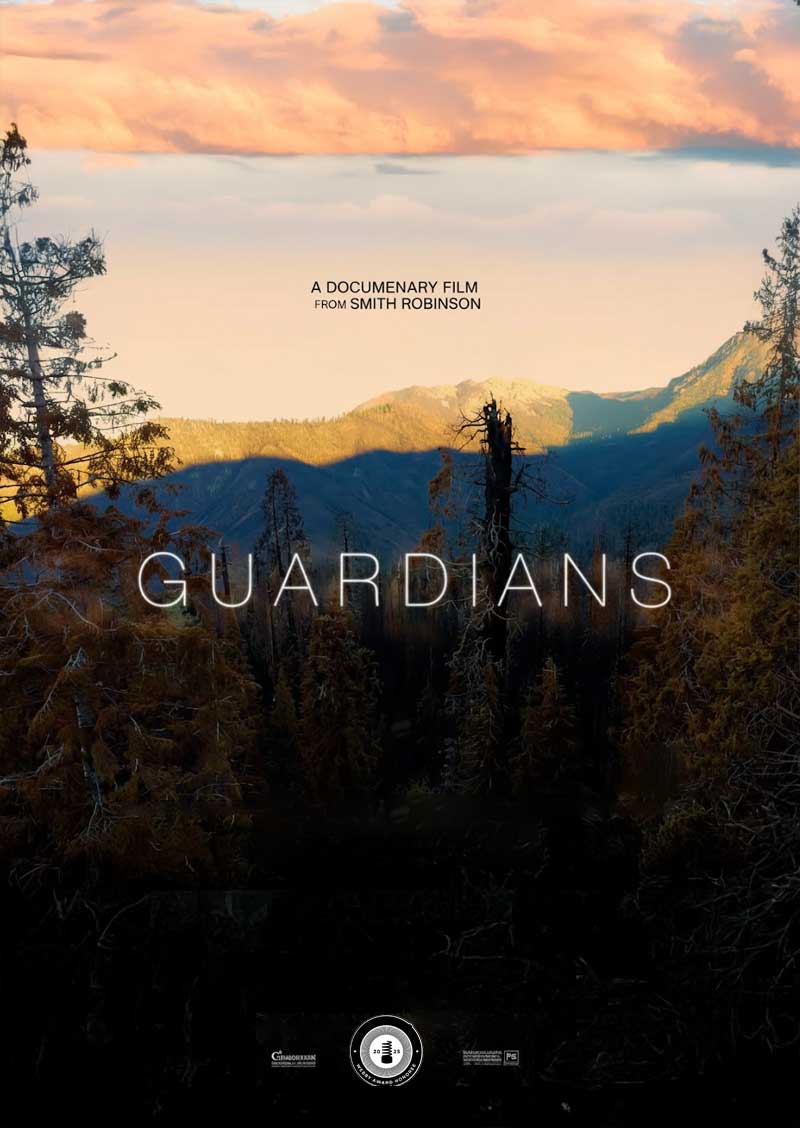
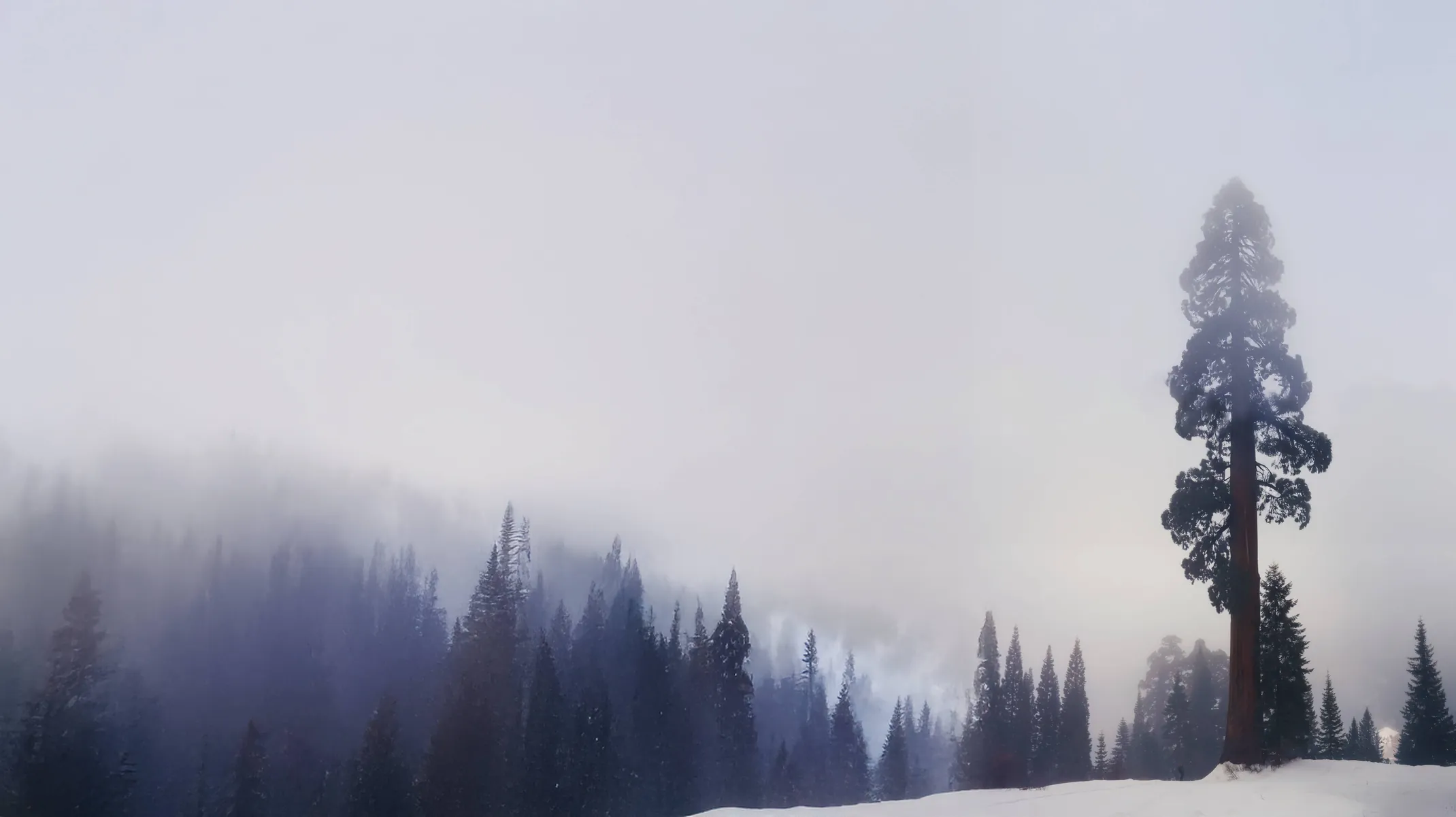
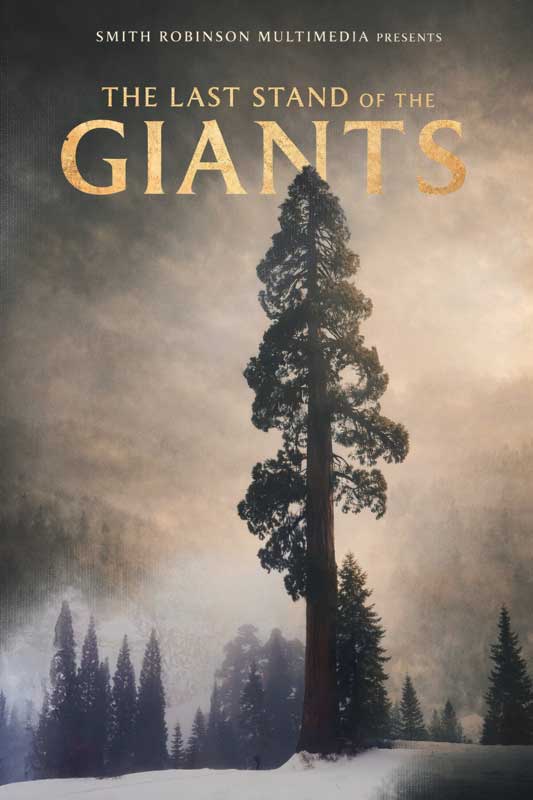
Last Stand of the Giants is a feature-length documentary about the race to save Earth's largest living organisms. The film follows scientists, rangers, firefighters, Indigenous historians, and environmentalists in the field and in the courts as they confront past mistakes and a hostile administration to protect these ancient monarchs—and by extension, our communities.
Giant sequoias can live over 3,000 years. Nearly one-fifth of all mature giants are now dead, victims of fire at an intensity never before seen in human history. In response, the Giant Sequoia Lands Coalition was formed: a dream team united by a single goal—save these trees now and into the future. They were making progress. Until now.
Even as Los Angeles burns in the middle of winter, the federal government is gutting funding and staff at National Parks and the U.S. Forest Service. The Coalition's future hangs in the balance.
A Different Perspective
How do we help humans who live mere decades understand trees that live for millennia? Telling a story about organisms existing in physical and temporal scales so far outside human experience requires a special approach. We're using timelapse, drones, and a distinctive square aspect ratio to explore verticality and create a visual language as unique as our subject.
These trees challenge us to confront our mortality, our relationship with the land, our place on this Earth.
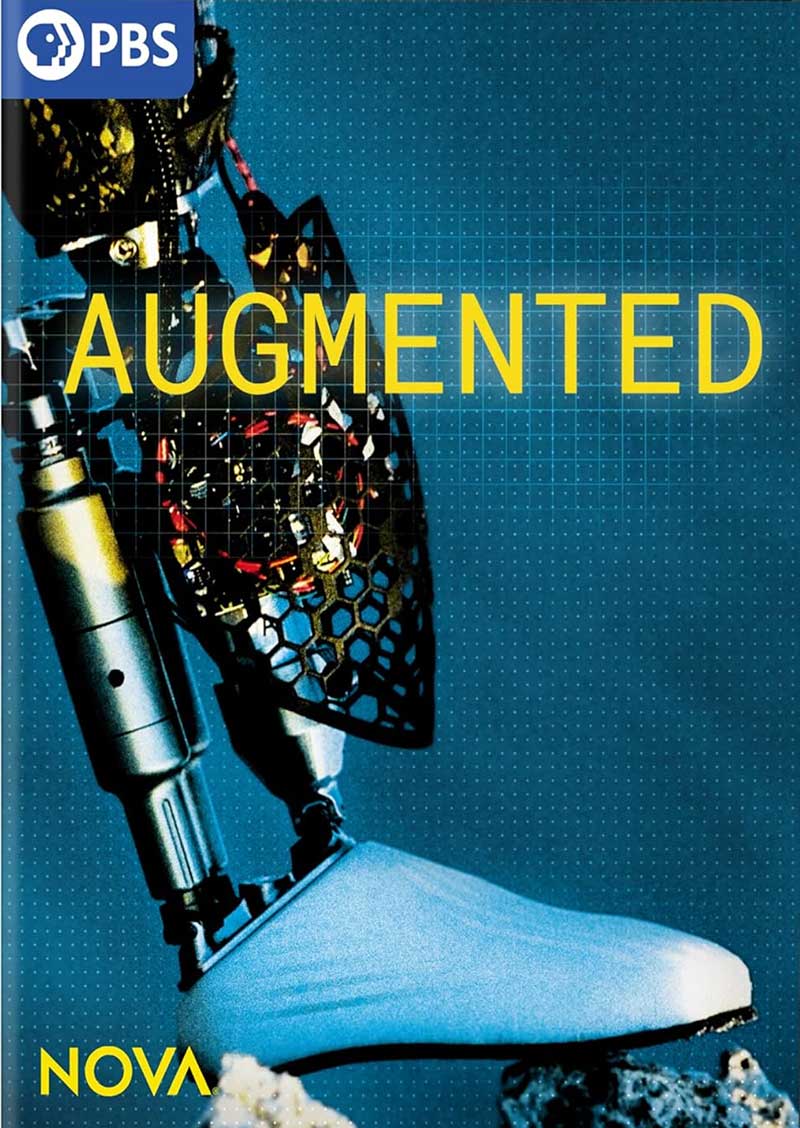
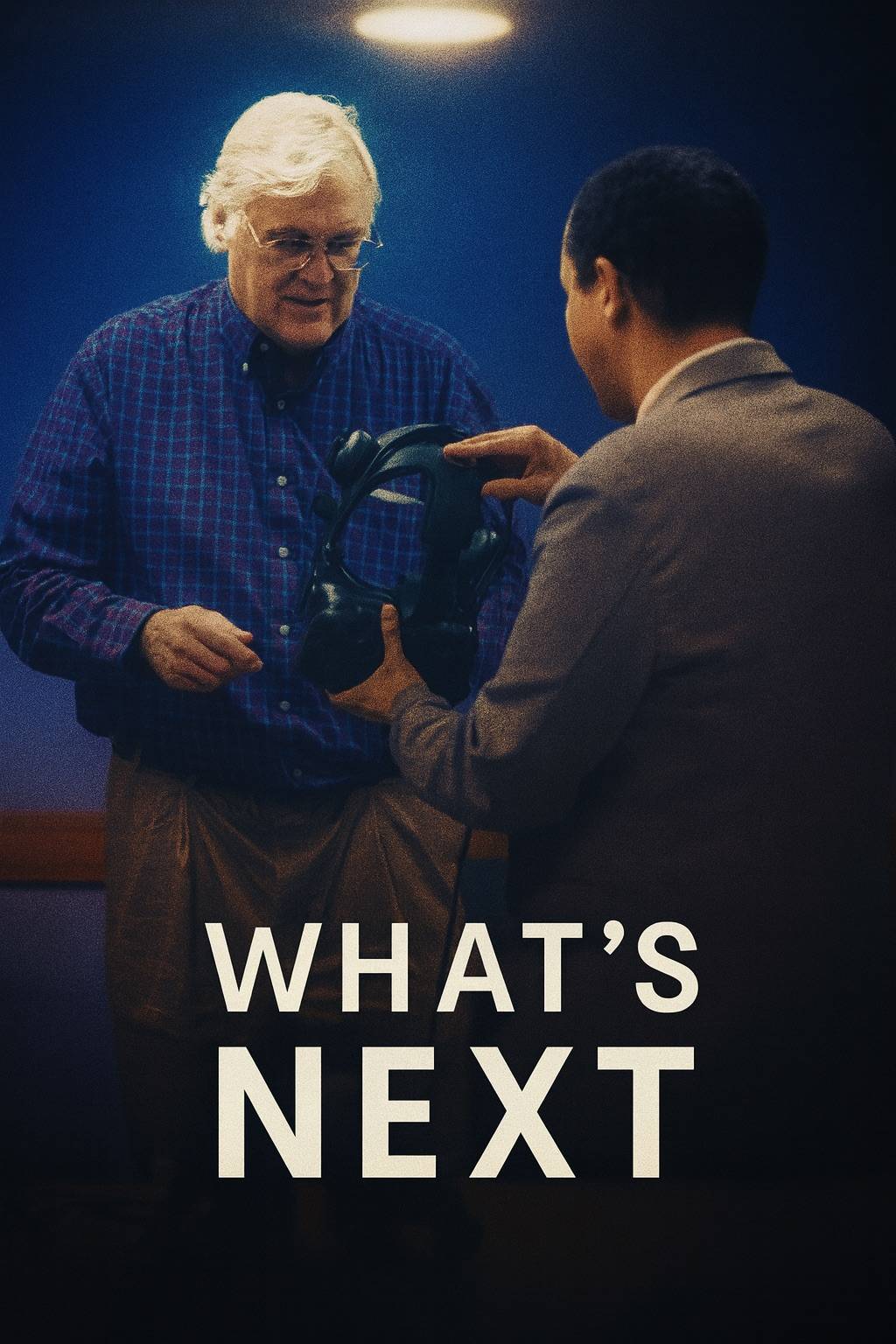
Our film, "Augmented," has just received an Emmy award nomination. As the producer, co-editor, co-cinematographer and motion graphics artist for this documentary, I couldn't be prouder of our team's hard work and dedication.
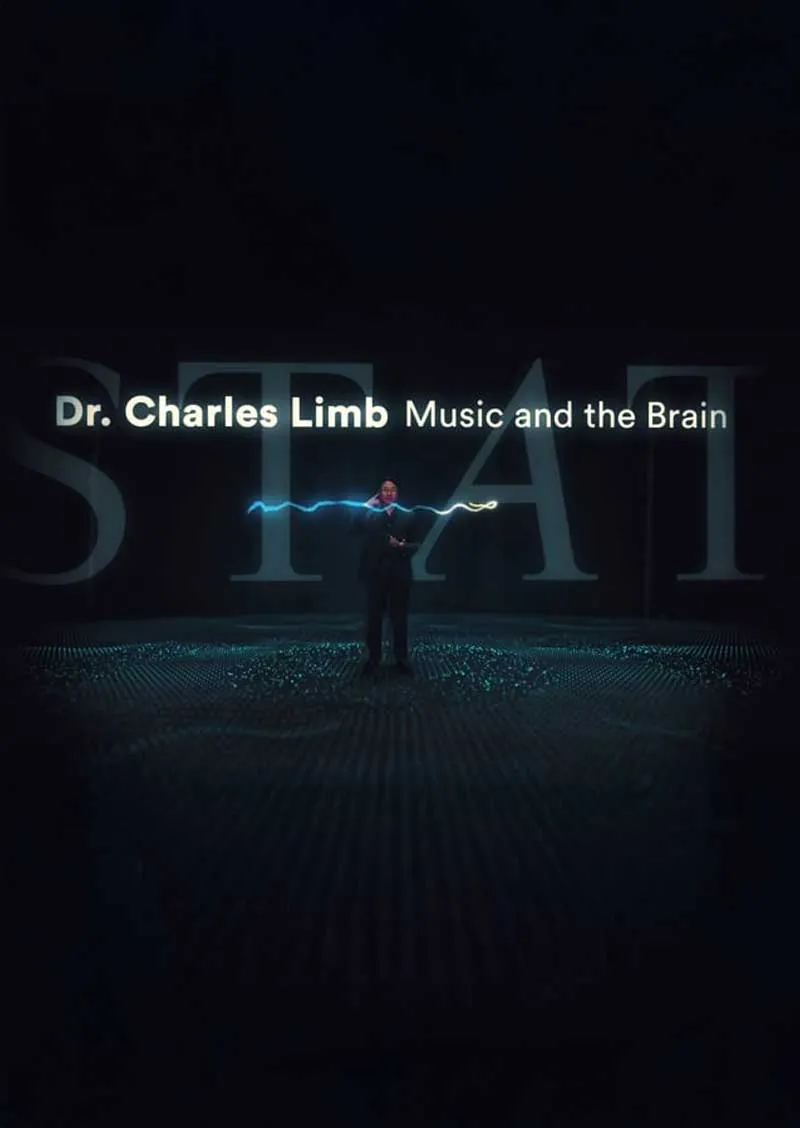
Directed by the incredibly talented Matthew Orr, "Augmented" tells the inspiring story of Hugh Herr, a resilient rock climber who transformed his life after losing both his legs due to frostbite. Instead of giving up, Herr pursued a career in science and engineering, designing cutting-edge prosthetic limbs that have revolutionized the field.
The film's 4 year long journey took us through the incredible work of Herr's team at the MIT Media Lab, and it's been an honor to be a part of this NOVA production by STAT, a Boston-based health and science news site.
On a side note, my business partner, Andrew Robinson, is currently in Ukraine working on an exciting story for PBS News Hour and we'll have more on that soon.
Watch the Film
If you haven't had a chance to watch "Augmented" yet, I encourage you to do so. It's a gripping journey of resilience, innovation, and the boundless possibilities of human potential.
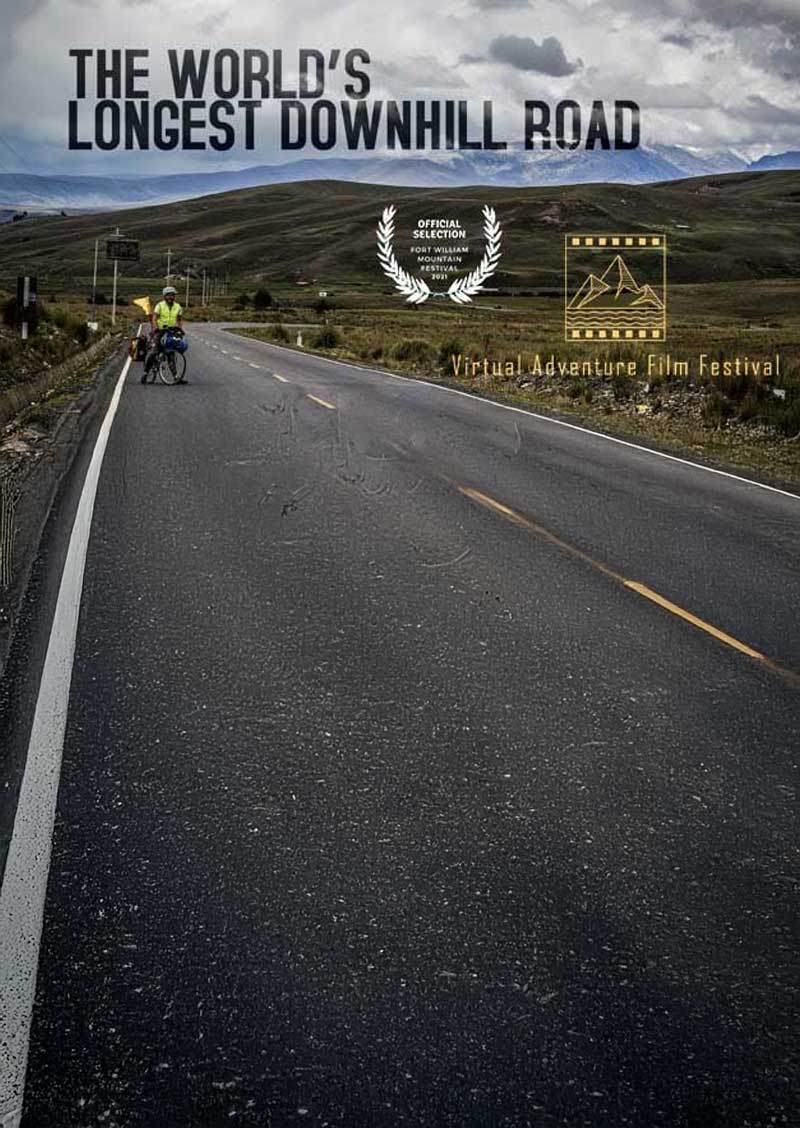
Documentary short combining 2012 bike tour footage with 2021 interview to tell the story of accidentally discovering Earth's longest uninterrupted downhill—72 miles descending 13,388 feet from Concocha to Paramonga on Peru's Highway 16. After four brutal days climbing into the Andes above 13,000 feet, this accidental find delivered two and a half hours of pure gravity-powered bliss through snow, valleys, and coastal desert. Part of our 'Everyday Adventurers' series celebrating the unexpected rewards of human-powered travel.
The descent was one leg of The Ride to Rio, our 10,000-mile bicycle journey from Los Angeles to Rio de Janeiro. Explore the whole trip on the interactive site we built: ridetorio.com.
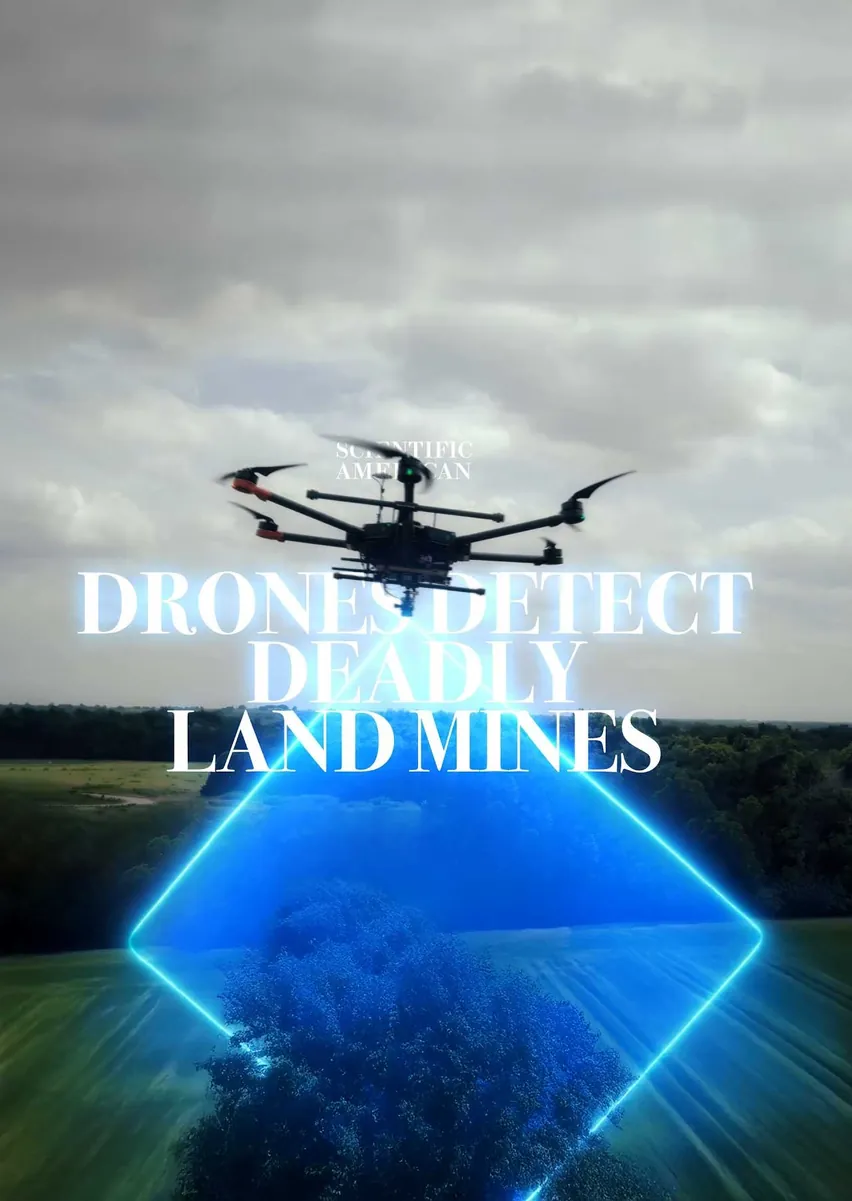
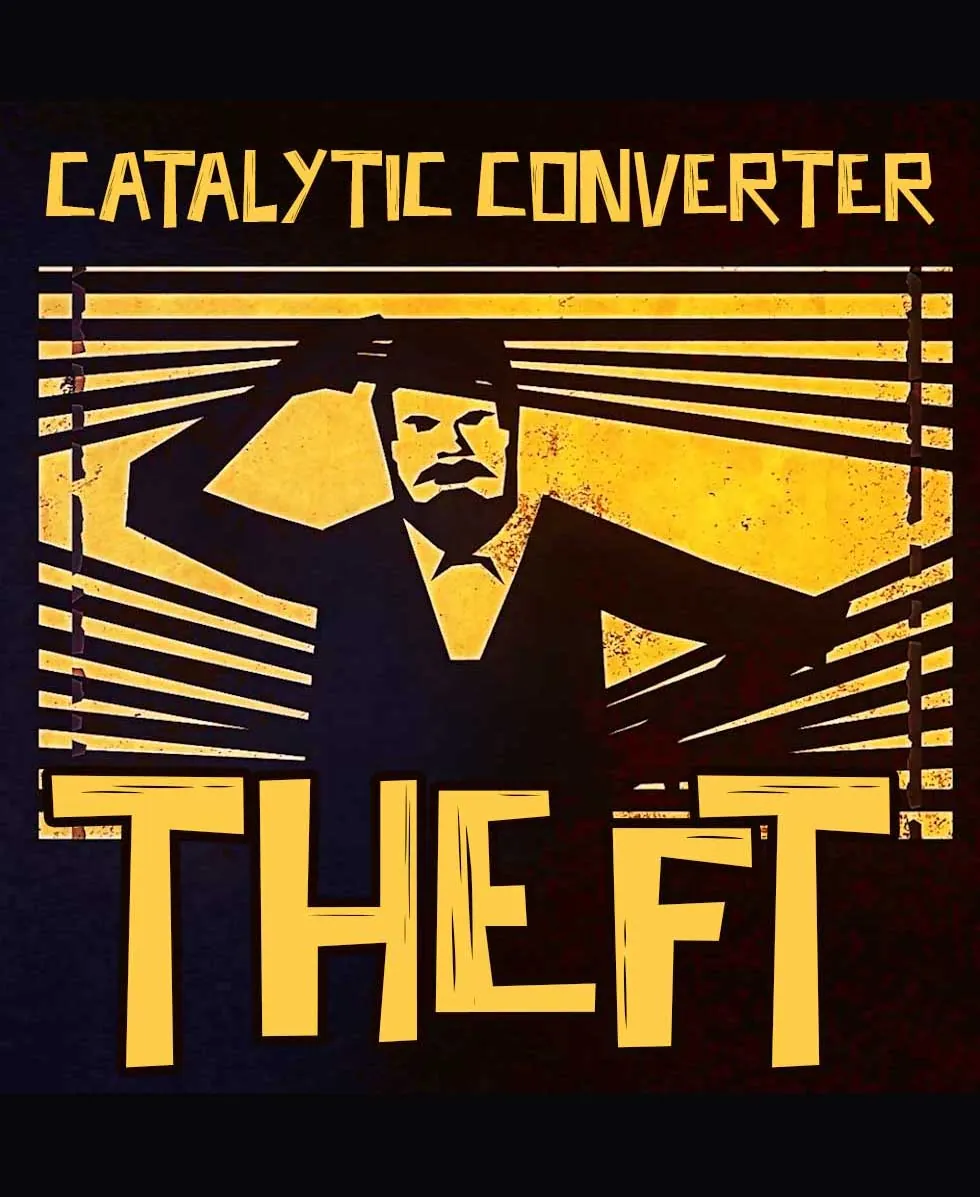
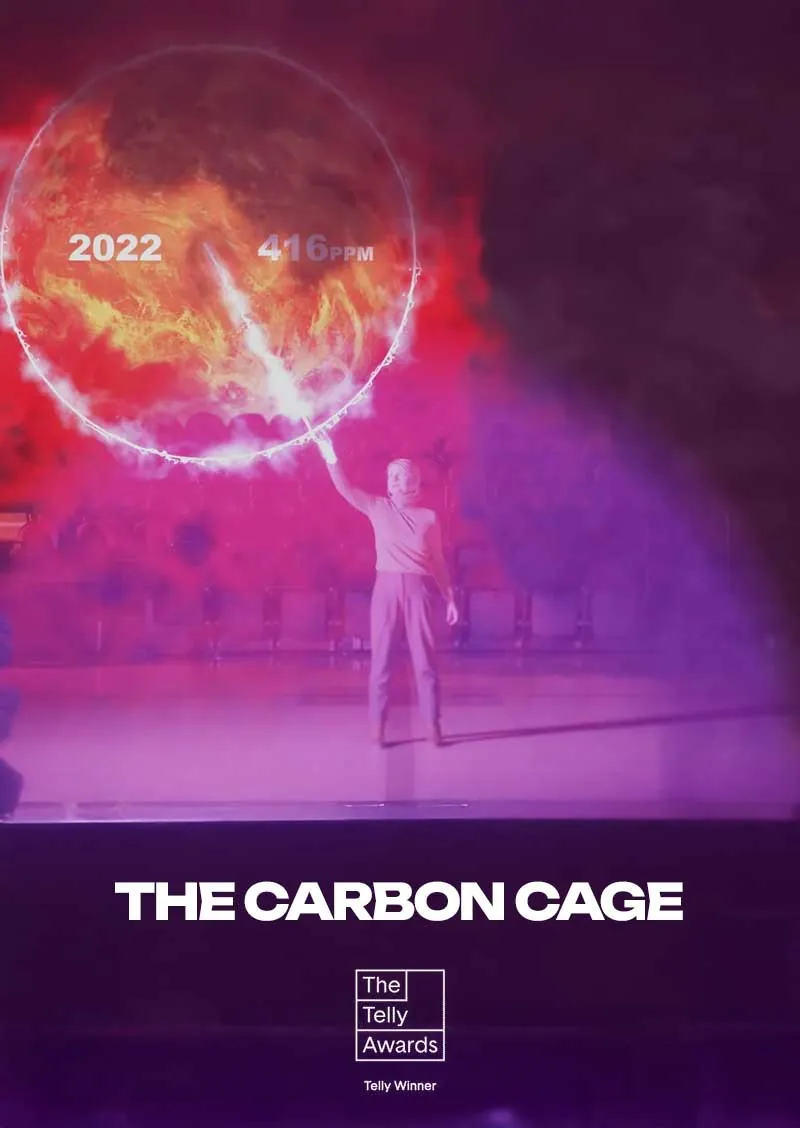
Dom took home a Telly Award for art direction, animation, and music composition on Scientific American's "The Carbon Cage" – a climate investigation that asks why decades of scientific consensus haven't translated into meaningful action.
The piece traces how industrial capitalism's dependence on fossil fuels has built an invisible cage around climate policy. Scientists have been warning us since the 1950s. Oil companies were studying the problem internally while publicly denying it existed. And from the first climate conference in 1995 to today, the needle barely moves.
Sometimes you need to see the bars before you can break out.
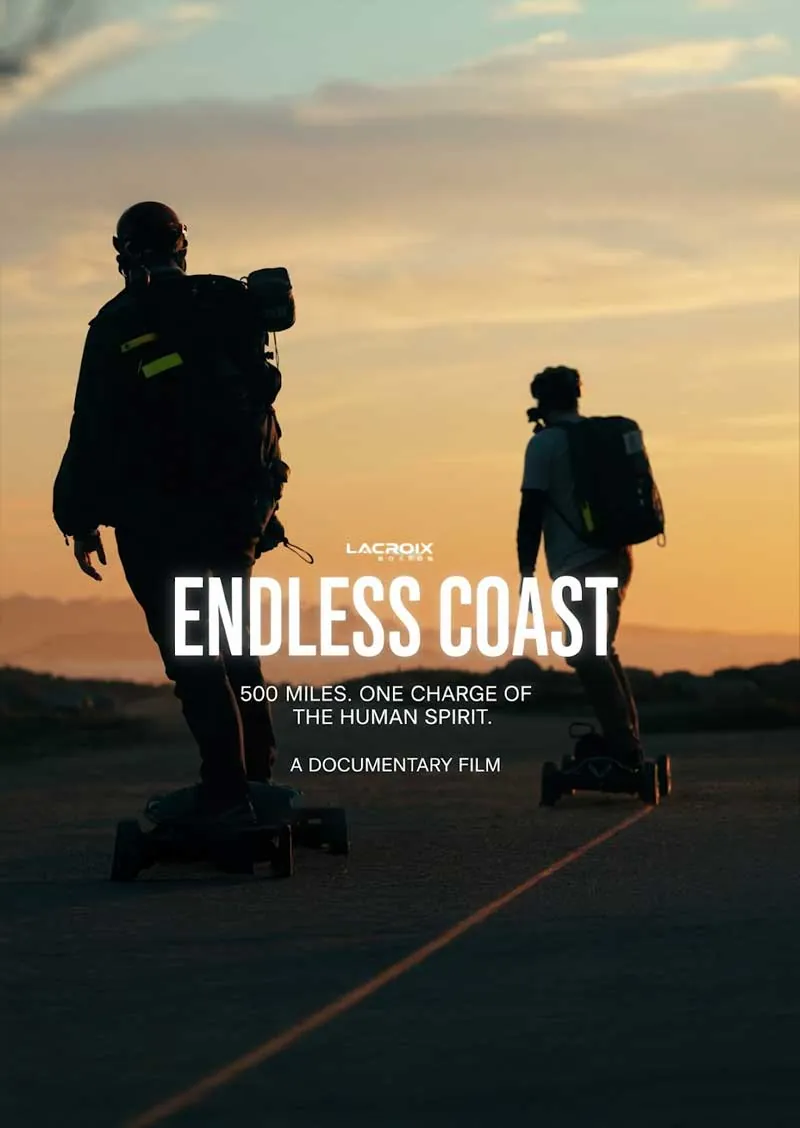
This is the first look at our upcoming documentary, *Endless Coast*. The teaser captures the planning and challenges of our ambitious attempt to ride Lacroix electric skateboards 500 miles down California's rugged Pacific Coast Highway (PCH).
The film documents the blend of high-speed adventure, stunning coastal cinematography, and the technical challenge of long-distance electric skateboarding. It’s a true test of endurance and mobile production craft.
The whole journey also lives on the interactive site we built for the film: endlesscoastmovie.com.
Gear Used:
- Boards: Lacroix Nazare / Lacroix Nazare Lonestar
- Backpacks: Atlas Athlete, Goruck GR2 40L
- Cameras: Sony A7Siii, Sony ZV1, DJI Osmo Action, Gopro 9, DJI Mavic Mini 2, Insta360 1x2
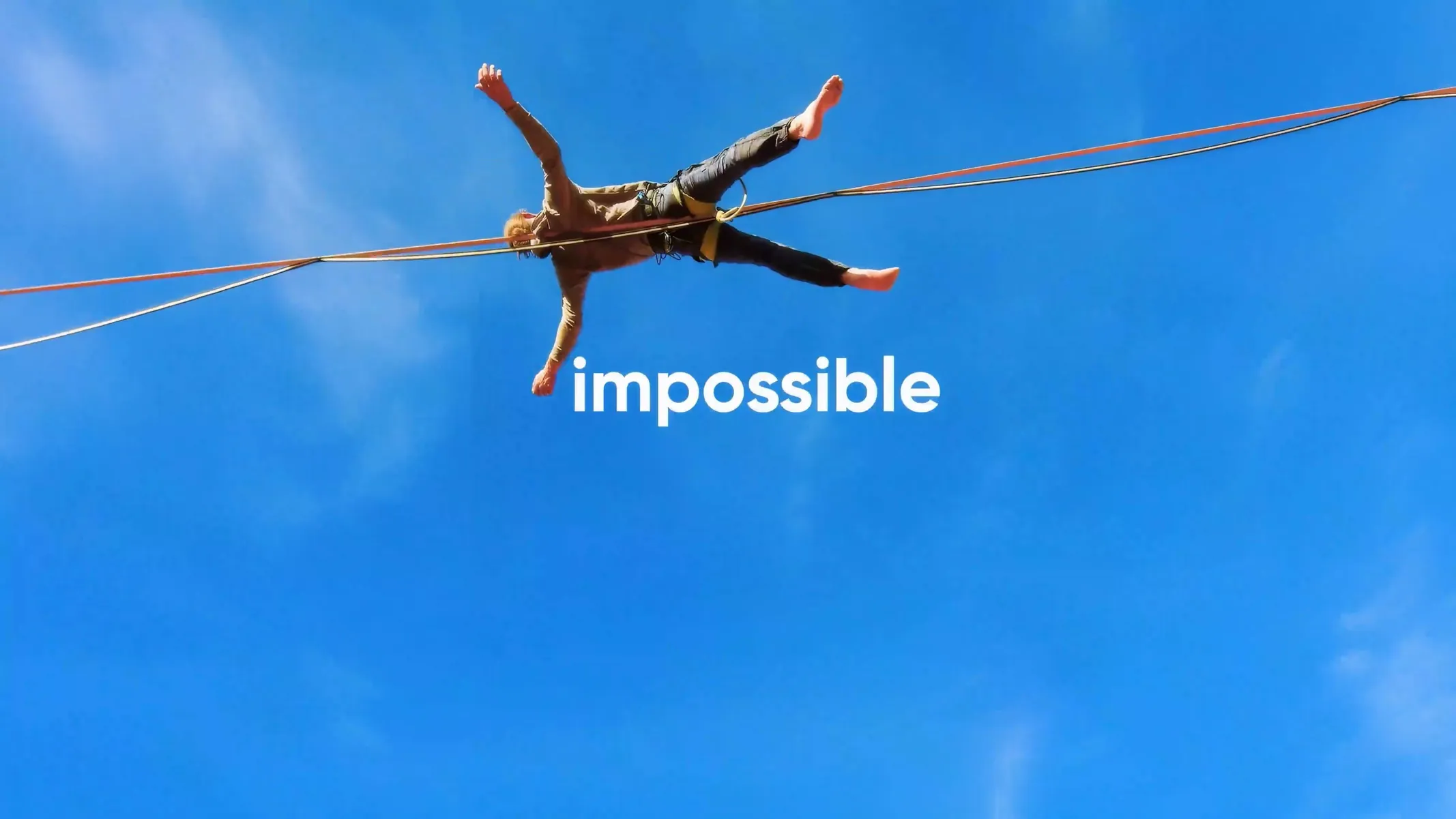
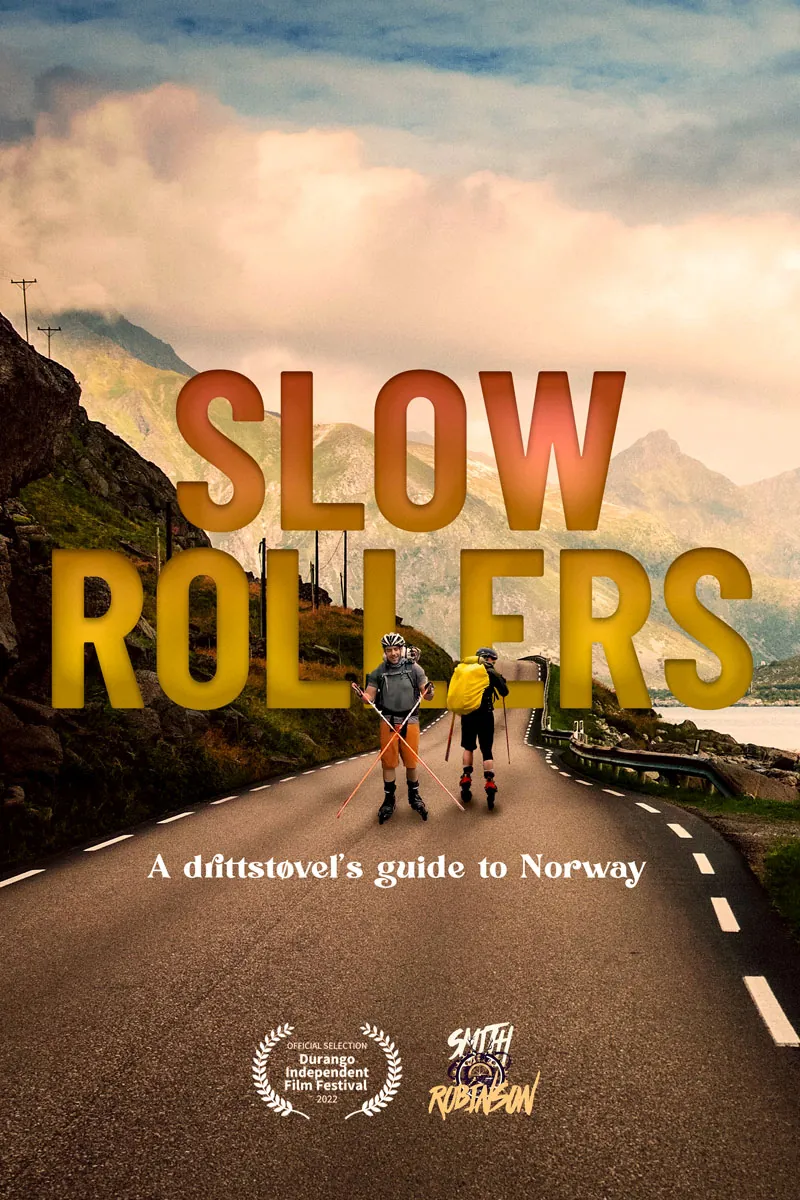
Self-documented adventure film chronicling our attempt to rollerski across Norway with nothing but the bags on our backs and skis on our feet. Through mountains, fjords, and grueling terrain, we captured the beauty of failing spectacularly—signing a contract with chaos and discovering that adventure lives in the uncertain space between comfort and the impossible.
Andy joined journalists from TIME, PBS NewsHour, Financial Times, and Scientific American at the Washington D.C. Environmental Film Festival for a panel on climate and labor – what actually happens to workers when the planet heats up?
From construction sites in Qatar to farms in India to vanishing ways of life in the Himalayas, the featured films documented how rising temperatures are reshaping entire industries. Computer chips, fast fashion, food production – as it gets hotter, the people doing the work feel it first.
TIME journalist Aryn Baker put it simply: "It's not like we don't know what to do about climate change." The science is clear, the solutions exist. The only question is whether we'll act on them.
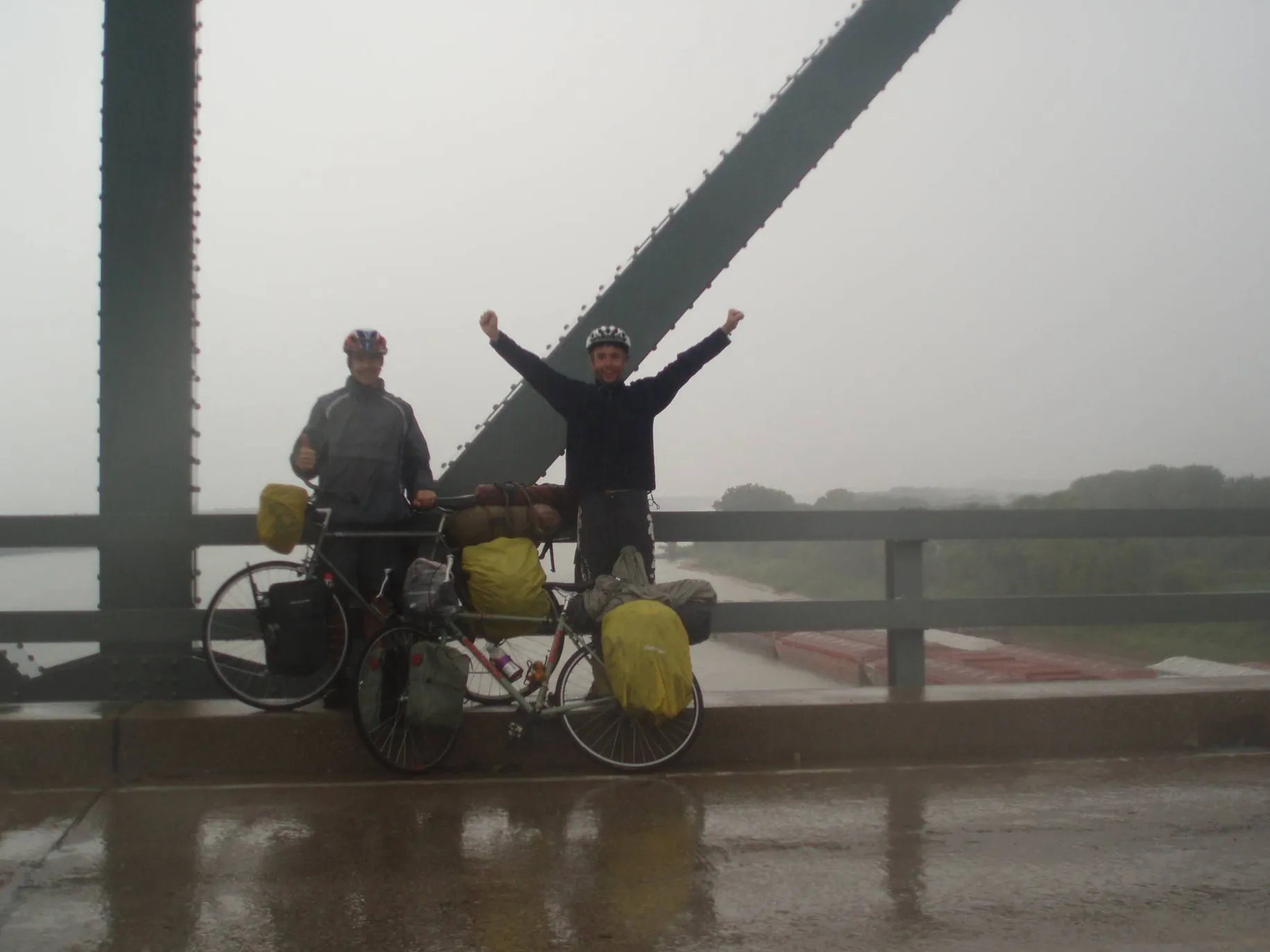
My original ride across the United States in 2006 furnished me with most of my fondest memories and experiences so it's truly hard to pick just one to relate here. Instead I think I'll highlight some of my favorite experiences with a list for potential trans-continental cyclists some advice as to what expect, (and what not to).
Rule #1
Meet as many people as possible. When you cycle a significant distance you occupy a strange thread in the social fabric. You are at once homeless and hardworking, impressive yet nonthreatening, extremely cool but very approachable. Take advantage of this rare social karma that you will only ever possess while touring. Nearly all of the best experiences of the trip involved strangers that we met along the way. The owner of a cowboy bar in Missouri let us stay in a seedy apartment behind his establishment. Farmhands in Nevada let us sleep in their hotel room while they baled hay at night. Stoners in Utah let us watch Return of the Jedi on their television. A wonderful couple in Virginia made us burritos and sang songs with us. A couple of Harley riders stopped us at the top of Monarch pass in Colorado. The senior rider (distinguished by his mighty grey beard) walked up to me, handed me a couple of Budweisers and said, "you guys need these more than we do." Harley riders will sort of look on you like their crazy little cousins. All kinds of people will want to help you in exchange for your story. Oblige them. Talk to everyone and keep those karmic bicycle wheels turning by doing a turn of kindness for the people who do help you. Be sure to help out cyclists later when you come home too. It might be me, after all.
Rule #2
Sometimes it just sucks. Accept it. The worst parts usually make the best stories later. If you remember that when you're 150 miles from civilization in the Utah desert and you've run out of food, it'll help. Not much, but it's worth remembering. (Ancillary rule: expect the unexpected, like torrential rain in places that annually receive 2 inches of precipitation, for example the Utah desert 150 miles from civilization.) (Corollary ancillary rule: water proof tarps are only actually water-resistant).
Rule #3
You don't need that much crap. I promise you will bring more than you need. Less clothes. Less gadgets. A short and by no means comprehensive list of things we left behind/mailed home/gave away/lost: Tent, books, ultra-mega tool, gloves, 2nd pump, harmonica, dynamo, 2 big flashlights, the mildly-water resistant tarp, crocs, kickstands, and assorted extra clothes. If you are headed West from Virginia and you have occasion to visit June Curry aka The Cookie lady might I recommend adding your unwanted gear to her collection. Our kickstands and fingerless gloves are in there somewhere.
Rule #4
The wind in the great plains blows predominately West to East. Just pointing that out.
Rule #5
Take time to enjoy the breathtaking majesty of it all. Don't be afraid to leave your route to check out some local natural wonders. You are talking to strangers and learning about their local natural wonders aren't you? It's not a race. Budget the time to smell the roses. One of my biggest regrets on our trip was the ride from San Francisco to Los Angeles: we made the most haste on one of the most beautiful sections of our trip in order to make a self-imposed deadline for our arrival in Los Angeles. Don't make the same mistake! We did however make the quality choice of staying in the Pidgeon Point Lighthouse Hostel in Pescadero, CA. We hitched a ride into town for dinner with a bunch of marine biology students from Duke University. If you do the same, I recommend the boysenberry pie.
Well that's it. There's so much more to say, but it's really up to you to have your own trip. Go out there and don't be afraid to get into some trouble. This is the adventure of a lifetime after all. Good travels and if you ever come my way, you've got a place to crash.